
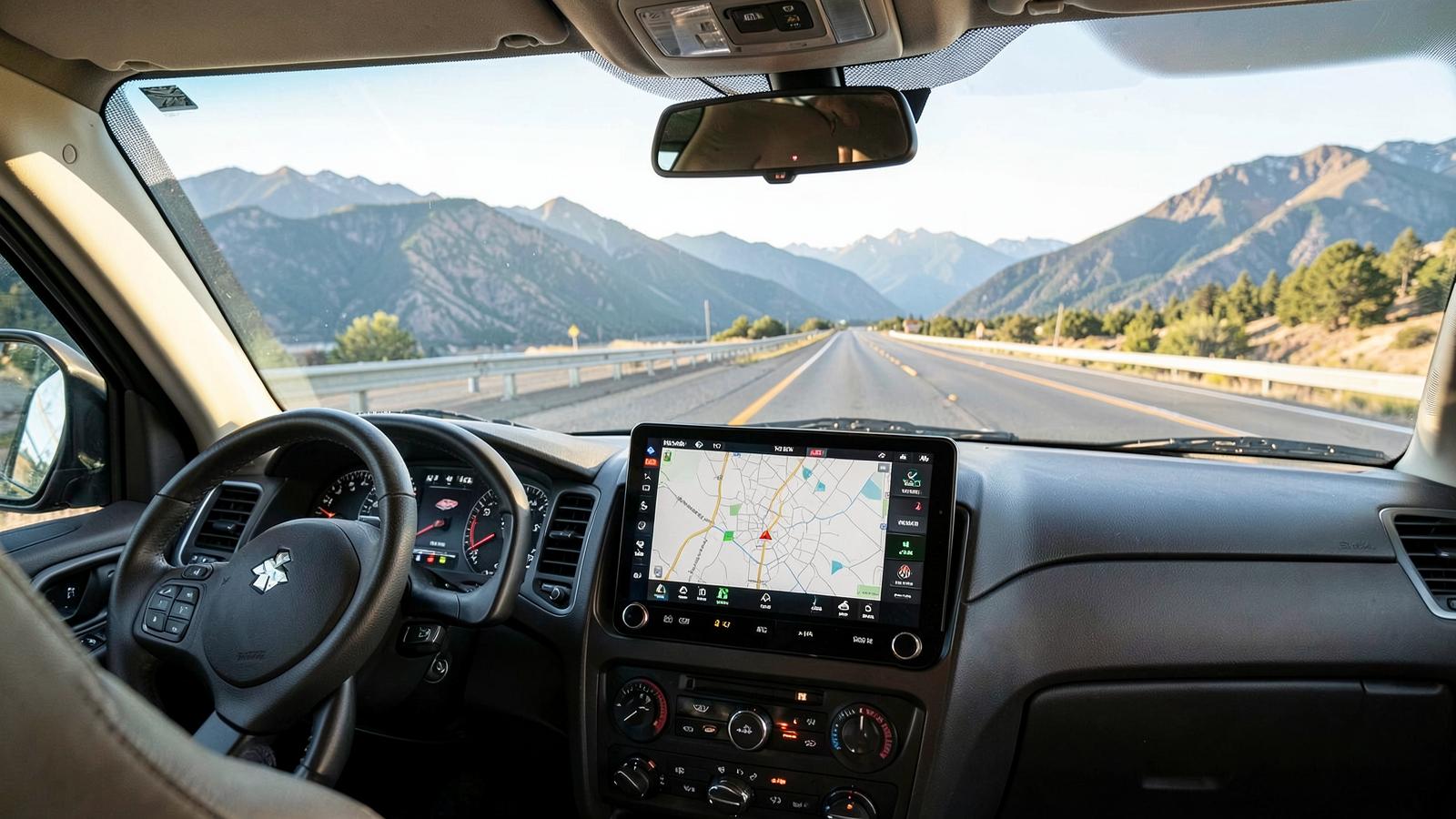
The case against a dedicated RV navigator is easy to make: your phone already has excellent maps, live traffic and no purchase price. The case for one comes down to a single piece of information the phone does not have — the height, length, weight and width of what you are driving.
The Garmin RV 890 is built around that profile, with an 8-inch display, RV point-of-interest data and optional pairing with a compatible Garmin backup camera. This review looks at what routing on a rig profile actually prevents, where the unit falls short of a phone, and who should buy one. It is research-based, drawn from Garmin's published specifications and widely available owner and expert coverage.
The product at a glance
Researched and compared by our editors. Prices move constantly, so check the retailer for today's price.
Affiliate disclosure — As an Amazon Associate I earn from qualifying purchases. TopPremiumPicks may also earn commissions from other retailers. This costs you nothing extra and does not influence our recommendations.
Reviewed Here
Garmin
Garmin RV 890 GPS Navigator
Best for: Larger motorhomes wanting a bigger screen and current Garmin software
Key feature: 8-inch touchscreen display
Garmin's current flagship dedicated RV navigator, offering RV-profile routing with an 8-inch display, wireless smart features, and support for a compatible wireless backup camera.
Premium ($$$$)| Product | Our pick | Best for | Price tier | Key feature | Check price |
|---|---|---|---|---|---|
Garmin Garmin RV 890 GPS Navigator | Reviewed Here | Larger motorhomes wanting a bigger screen and current Garmin software | Premium ($$$$) | 8-inch touchscreen display |
Price tiers $ Budget · $$ Mid-range · $$$ Upper mid-range · $$$$ Premium · $$$$$ Flagship. We show tiers rather than prices — check Amazon for the current price.
The full review
Reviewed Here
Garmin
Garmin RV 890 GPS Navigator
Garmin's current flagship dedicated RV navigator, offering RV-profile routing with an 8-inch display, wireless smart features, and support for a compatible wireless backup camera.
Why it stands out
RV-safe routing with a large 8-inch display and current Garmin connected features gives an at-a-glance view while driving.
Best for
Larger motorhomes wanting a bigger screen and current Garmin software
Not ideal for
Buyers who specifically want an integrated dash camera in the same unit
Key features
- ◆8-inch touchscreen display
- ◆RV-specific routing that accounts for entered height, weight, length and width
- ◆Preloaded campground and RV service point-of-interest data
- ◆Wireless connectivity for smart notifications and live services via a paired smartphone
- ◆Compatible with an optional Garmin wireless backup camera
Pros
- Large, easy-to-read display
- RV-profile routing avoids low bridges and weight-restricted roads
- Optional wireless backup camera pairing
Considerations
- Higher price than smaller-screen navigators
- No built-in dash camera
Final verdict
Garmin RV 890 GPS Navigator suits buyers who prioritise larger motorhomes wanting a bigger screen and current garmin software. Worth knowing: The larger screen size takes up more dash or windshield space than compact navigator models.
What RV-profile routing actually prevents
You enter your rig's height, length, weight and width once, and the navigator uses those figures to avoid low bridges, weight-restricted roads and, on many routes, turns that a long vehicle cannot make. This is the entire product.
The failures it is designed to prevent are expensive and occasionally dangerous, and they happen to careful people following ordinary navigation apps. That said, no map database is perfect: signage on the road always outranks the screen, and you remain responsible for confirming clearances.
The 8-inch screen, in a moving vehicle
A large display is not a vanity feature when you are managing a long vehicle in unfamiliar traffic. At 8 inches, upcoming manoeuvres are legible in a glance rather than a stare, which is the practical safety argument for the bigger unit.
The cost is mounting space. On a smaller motorhome or a tow vehicle with a busy dash, an 8-inch navigator plus a phone mount plus a camera monitor gets crowded quickly, and a compact navigator may fit your cab better.
Campground data and camera pairing
Preloaded RV-specific points of interest — campgrounds, dump stations and service locations — are useful for planning en route, though the directory tier of the data ages between updates and should be sanity-checked against a current source before you rely on a specific site being open.
Pairing a compatible Garmin wireless backup camera puts the rear view on the same screen as navigation, which removes one display from the dash. If you already intend to buy a camera, that consolidation is a real reason to stay inside Garmin's ecosystem.
Against a phone
A phone wins on live traffic quality, search, map freshness and price. The RV 890 wins on rig-aware routing, screen size, offline reliability in poor coverage and not being interrupted by a call in the middle of a junction.
The honest answer is that many owners use both: the navigator for routing decisions the rig depends on, the phone for finding fuel and checking traffic. If you drive a van or a small trailer with no clearance concerns, the phone alone is defensible.
Keep reading
Frequently asked questions
Final verdict
For a tall or long rig, the RV 890 solves a problem phones do not attempt, and the large screen makes it easier to drive behind. Owners of small, low rigs can reasonably skip it.
Editorial Team
TopPremiumPicks Editorial Team
The TopPremiumPicks Editorial Team researches and compares premium products across multiple categories using manufacturer specifications, professional reviews and customer feedback. Our guides are research-based and do not represent hands-on product testing.