
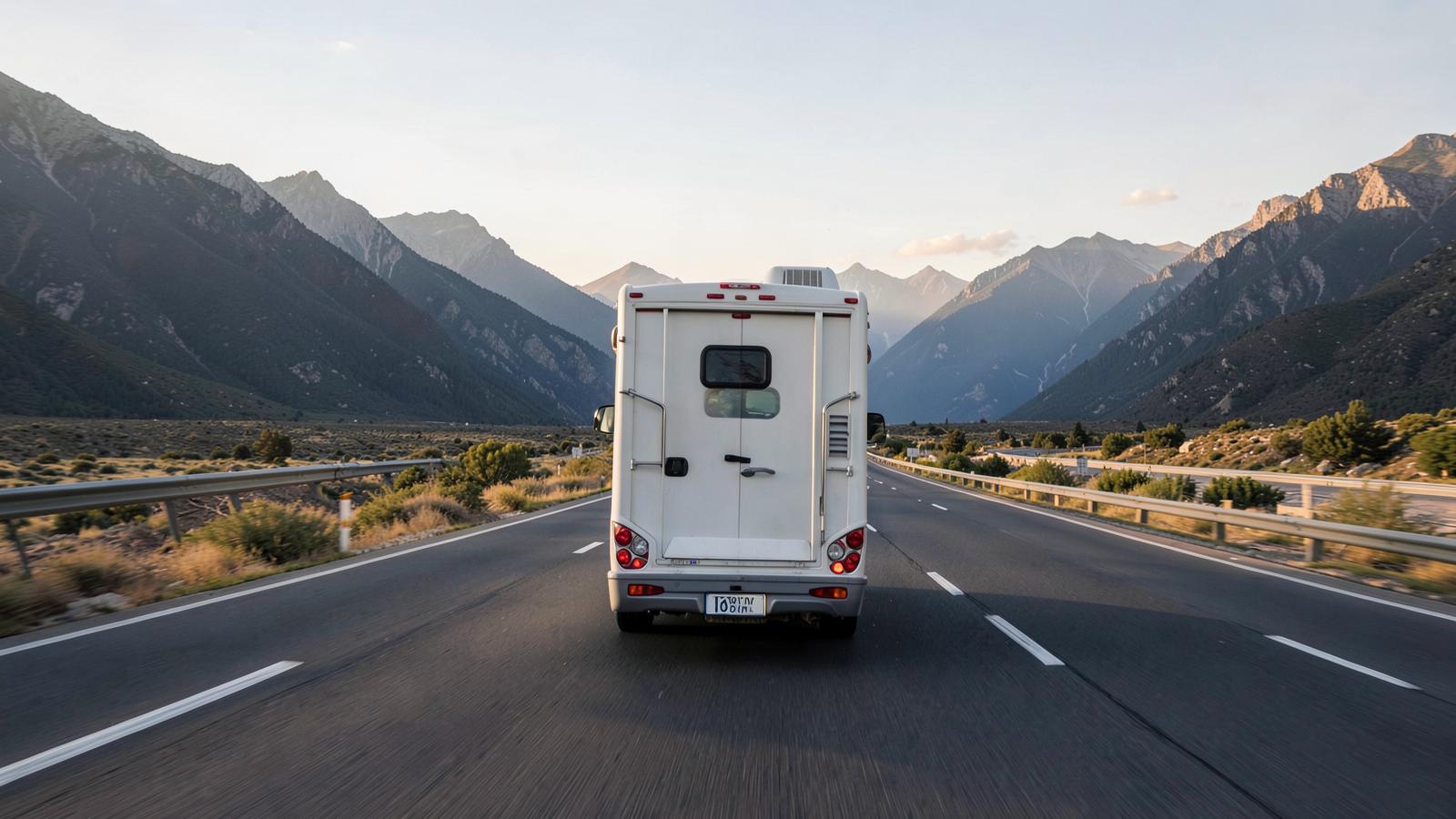
A phone's default map app has no idea how tall, heavy, or long your rig is, and that gap has sent more than one RV into a bridge it couldn't clear. Dedicated RV GPS navigators solve this by letting you enter your vehicle's dimensions and weight once, then routing every trip around restrictions that would otherwise be invisible until you're stuck under them.
It's worth being upfront that this is a small, specialized product category compared to phone navigation or general automotive GPS. A handful of established brands — chiefly Garmin and TomTom — make most of the dedicated RV units sold, and the feature set across models tends to converge around dimension-aware routing, RV-oriented points of interest, and varying screen sizes.
The right pick mostly comes down to screen size, whether you want an integrated dash camera or backup camera compatibility, and how much you value a built-in campground directory versus relying on a separate trip-planning app.
The quick answer
- Best OverallGarmin RV 890 GPS Navigator — An 8-inch screen with reliable RV-profile routing and current Garmin connected features.
- Best with Dash CamGarmin RVcam 795 RV GPS with Built-In Dash Cam — A 7-inch screen with an integrated dash camera.
- Best Alternative BrandTomTom GO Camper Max 7 RV & Caravan GPS — Detailed RV/camper type profiles and a large RV-friendly points-of-interest database.
Our top picks
Researched and compared by our editors. Prices move constantly, so check the retailer for today's price.
Affiliate disclosure — As an Amazon Associate I earn from qualifying purchases. TopPremiumPicks may also earn commissions from other retailers. This costs you nothing extra and does not influence our recommendations.
Best Overall
Garmin
Garmin RV 890 GPS Navigator
Best for: Larger motorhomes wanting a bigger screen and current Garmin software
Key feature: 8-inch touchscreen display
Garmin's current flagship dedicated RV navigator, offering RV-profile routing with an 8-inch display, wireless smart features, and support for a compatible wireless backup camera.
Premium ($$$$)Best with Dash Cam
Garmin
Garmin RVcam 795 RV GPS with Built-In Dash Cam
Best for: RV owners wanting routing and driving footage in one device
Key feature: 7-inch touchscreen display sized for easy viewing while driving
A dedicated RV navigator that combines RV-profile routing with a built-in dash camera, designed to route around restrictions based on the RV's dimensions and weight while recording the road ahead.
Premium ($$$$)Best Alternative Brand
TomTom
TomTom GO Camper Max 7 RV & Caravan GPS
Best for: Owners who want an alternative to Garmin's ecosystem
Key feature: 7-inch display with RV, caravan, and motorhome routing profiles
A dedicated RV and caravan navigator with a 7-inch display that routes around low bridges and restricted roads based on the dimensions and weight entered for the rig.
Upper Mid-Range ($$$)| Product | Our pick | Best for | Price tier | Key feature | Check price |
|---|---|---|---|---|---|
Garmin Garmin RV 890 GPS Navigator | Best Overall | Larger motorhomes wanting a bigger screen and current Garmin software | Premium ($$$$) | 8-inch touchscreen display | |
Garmin Garmin RVcam 795 RV GPS with Built-In Dash Cam | Best with Dash Cam | RV owners wanting routing and driving footage in one device | Premium ($$$$) | 7-inch touchscreen display sized for easy viewing while driving | |
TomTom TomTom GO Camper Max 7 RV & Caravan GPS | Best Alternative Brand | Owners who want an alternative to Garmin's ecosystem | Upper Mid-Range ($$$) | 7-inch display with RV, caravan, and motorhome routing profiles |
Price tiers $ Budget · $$ Mid-range · $$$ Upper mid-range · $$$$ Premium · $$$$$ Flagship. We show tiers rather than prices — check Amazon for the current price.
The picks in detail
Best Overall
Garmin
Garmin RV 890 GPS Navigator
Garmin's current flagship dedicated RV navigator, offering RV-profile routing with an 8-inch display, wireless smart features, and support for a compatible wireless backup camera.
Why it stands out
RV-safe routing with a large 8-inch display and current Garmin connected features gives an at-a-glance view while driving.
Best for
Larger motorhomes wanting a bigger screen and current Garmin software
Not ideal for
Buyers who specifically want an integrated dash camera in the same unit
Key features
- ◆8-inch touchscreen display
- ◆RV-specific routing that accounts for entered height, weight, length and width
- ◆Preloaded campground and RV service point-of-interest data
- ◆Wireless connectivity for smart notifications and live services via a paired smartphone
- ◆Compatible with an optional Garmin wireless backup camera
Pros
- Large, easy-to-read display
- RV-profile routing avoids low bridges and weight-restricted roads
- Optional wireless backup camera pairing
Considerations
- Higher price than smaller-screen navigators
- No built-in dash camera
Final verdict
Garmin RV 890 GPS Navigator suits buyers who prioritise larger motorhomes wanting a bigger screen and current garmin software. Worth knowing: The larger screen size takes up more dash or windshield space than compact navigator models.
Best with Dash Cam
Garmin
Garmin RVcam 795 RV GPS with Built-In Dash Cam
A dedicated RV navigator that combines RV-profile routing with a built-in dash camera, designed to route around restrictions based on the RV's dimensions and weight while recording the road ahead.
Why it stands out
Combining RV-safe routing with a dash camera in one unit reduces the number of separate devices mounted on the windshield.
Best for
RV owners wanting routing and driving footage in one device
Not ideal for
Buyers who already own a separate dash cam and want the largest possible navigator screen
Key features
- ◆7-inch touchscreen display sized for easy viewing while driving
- ◆RV-specific routing that accounts for entered height, weight, length and width
- ◆Integrated dash camera that records the road ahead
- ◆Preloaded campground and RV service point-of-interest data
- ◆Wireless connectivity for smart notifications via a paired smartphone
Pros
- RV-profile routing avoids low bridges and weight-restricted roads
- Built-in dash cam adds driving record functionality
- Well-sized 7-inch display
Considerations
- Higher price than screen-only navigators
- Fixed dash cam angle tied to the navigator's mounting position
Final verdict
Garmin RVcam 795 RV GPS with Built-In Dash Cam suits buyers who prioritise rv owners wanting routing and driving footage in one device. Worth knowing: The built-in dash camera adds cost relative to a screen-only navigator of similar size.
Best Alternative Brand
TomTom
TomTom GO Camper Max 7 RV & Caravan GPS
A dedicated RV and caravan navigator with a 7-inch display that routes around low bridges and restricted roads based on the dimensions and weight entered for the rig.
Why it stands out
Dimension-aware RV routing and campsite data from a mapping brand outside the Garmin ecosystem.
Best for
Owners who want an alternative to Garmin's ecosystem
Not ideal for
Owners wanting an integrated dash camera
Key features
- ◆7-inch display with RV, caravan, and motorhome routing profiles
- ◆Routing based on entered vehicle height, weight, length, and width
- ◆Preloaded campsite and RV service point data
- ◆Wi-Fi map and software updates without a computer
- ◆Smartphone connectivity for live traffic per manufacturer listing
Pros
- Large, clear display
- Straightforward vehicle-profile setup
- Wi-Fi updates without a computer
Considerations
- No integrated dash camera
- Different accessory ecosystem than Garmin
Final verdict
TomTom GO Camper Max 7 RV & Caravan GPS suits buyers who prioritise owners who want an alternative to garmin's ecosystem. Worth knowing: Points-of-interest and campground coverage differs from Garmin's North American RV databases.
Why RV-profile routing matters
Dedicated RV navigators let you enter your rig's height, weight, length and width, then avoid routes with matching restrictions — low bridges, weight-limited roads, and streets too narrow or steep for a large vehicle. This is the single feature that separates these devices from a phone map, and it's the reason to buy one even if you're comfortable navigating with your phone otherwise.
Enter your actual, fully-loaded dimensions and weight rather than the manufacturer's base specification. Water, propane, gear and passengers add real weight, and using an optimistic number defeats the purpose of dimension-aware routing.
Screen size trade-offs
Dedicated RV navigators are generally sold in two screen tiers: around 7 inches, which mounts easily on most dashboards and windshields, and 8-9 inches, which is easier to read at a glance from the driver's seat but takes up considerably more mounting space in a smaller cab.
Larger motorhomes with more dash room tend to suit the bigger screen sizes well; owners of trucks towing a trailer may prefer the more compact option to avoid crowding an already busy dashboard.
Live traffic and campground data
Live traffic on most of these devices depends on either a paired smartphone or, on some models, a bundled subscription — check exactly how a given unit sources traffic data before assuming it's always-on. Campground and RV-park point-of-interest databases vary by brand and are generally updated periodically rather than in real time, so cross-referencing with a current campground app or website is still worthwhile for reservations and recent reviews.
Some units support pairing with a compatible wireless backup camera, which can reduce the number of separate screens mounted on the dash if you're setting up an RV for the first time.
Map updates and total cost
Map update policies differ by brand and model — some include free lifetime map updates, while others require a paid subscription or periodic purchase for updated maps. Factor this into the total cost of ownership rather than comparing sticker prices alone.
Because these devices are a smaller, slower-moving product category than phones, a unit bought several years ago with adequate map coverage may still be a perfectly serviceable choice; a full replacement isn't always necessary just because a newer model has been released.
Dedicated navigator vs. a phone app
RV-specific phone apps exist and can approximate dimension-aware routing, but a dedicated navigator generally offers a more reliable, glare-resistant screen, doesn't drain your phone's battery or data plan, and keeps running if you lose cell signal in a remote area — a common situation for RV travel.
A sensible middle ground many owners use is a dedicated navigator as the primary routing tool, with a phone app as a secondary cross-check for real-time traffic or recent road closures.
Frequently asked questions
Final verdict
Most RV owners are well served by a dedicated navigator with solid RV-profile routing and a built-in campground directory, such as the Garmin RV 890. Owners who want an integrated dash camera should look at the Garmin RVcam 795 instead; those who prefer an alternative to Garmin's ecosystem may prefer the TomTom GO Camper Max 7. Whichever unit you choose, enter your RV's real loaded dimensions and weight — the routing is only as safe as the numbers you give it.
Editorial Team
TopPremiumPicks Editorial Team
The TopPremiumPicks Editorial Team researches and compares premium products across multiple categories using manufacturer specifications, professional reviews and customer feedback. Our guides are research-based and do not represent hands-on product testing.