
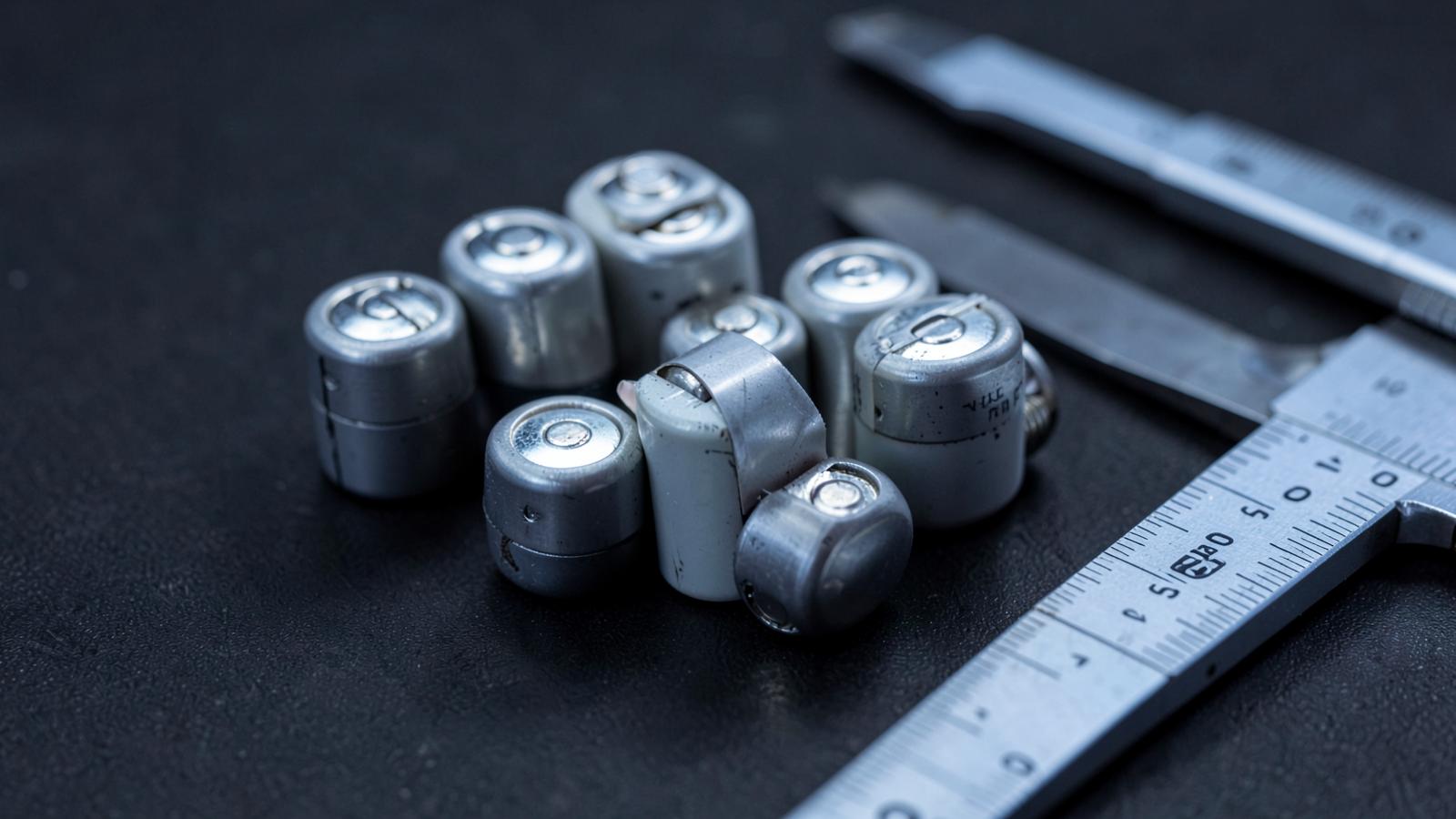
Nearly every power station worth buying today uses LiFePO4 cells, and the ones that do not are usually older or cheaper units. Understanding why makes the price differences in this category much easier to read.
This is a research-based explainer built from published manufacturer specifications and general battery documentation.
Cycle life is the headline difference
Manufacturers typically rate LiFePO4 packs for thousands of charge cycles to a stated capacity retention, against hundreds for the NMC lithium-ion packs common in older units.
In ownership terms, that is the difference between a unit that is tired in three years of regular use and one that is still serviceable a decade later.
Thermal behaviour
LiFePO4 chemistry is more thermally stable, which is why it has become standard in units designed to be left plugged in or stored in a garage.
Both chemistries are managed by a battery management system that handles temperature, balancing and cut-offs. Chemistry improves the margin; it does not remove the need for sensible use.
Weight and energy density
NMC lithium-ion is more energy-dense, so an older unit can be lighter for the same watt-hours. That is the one place the older chemistry still wins.
For most buyers the extra pounds are worth the extra years, which is why current-generation units across every brand here use LiFePO4.
Charging and storage habits
LiFePO4 tolerates partial charging well, which suits solar input and topping up whenever convenient. Deep discharge cycling is less punishing than it was.
For long storage, follow the manufacturer's recommended state of charge and top the unit up periodically rather than leaving it flat.
Keep reading
Frequently asked questions
Final verdict
LiFePO4 costs a little more and weighs a little more, and returns several times the usable life. Unless you are buying purely on weight, it is the chemistry to choose.
About Our Research
TopPremiumPicks researches and compares products using manufacturer information, published specifications, reputable sources, retailer information and documented customer feedback.
How We Review Products