
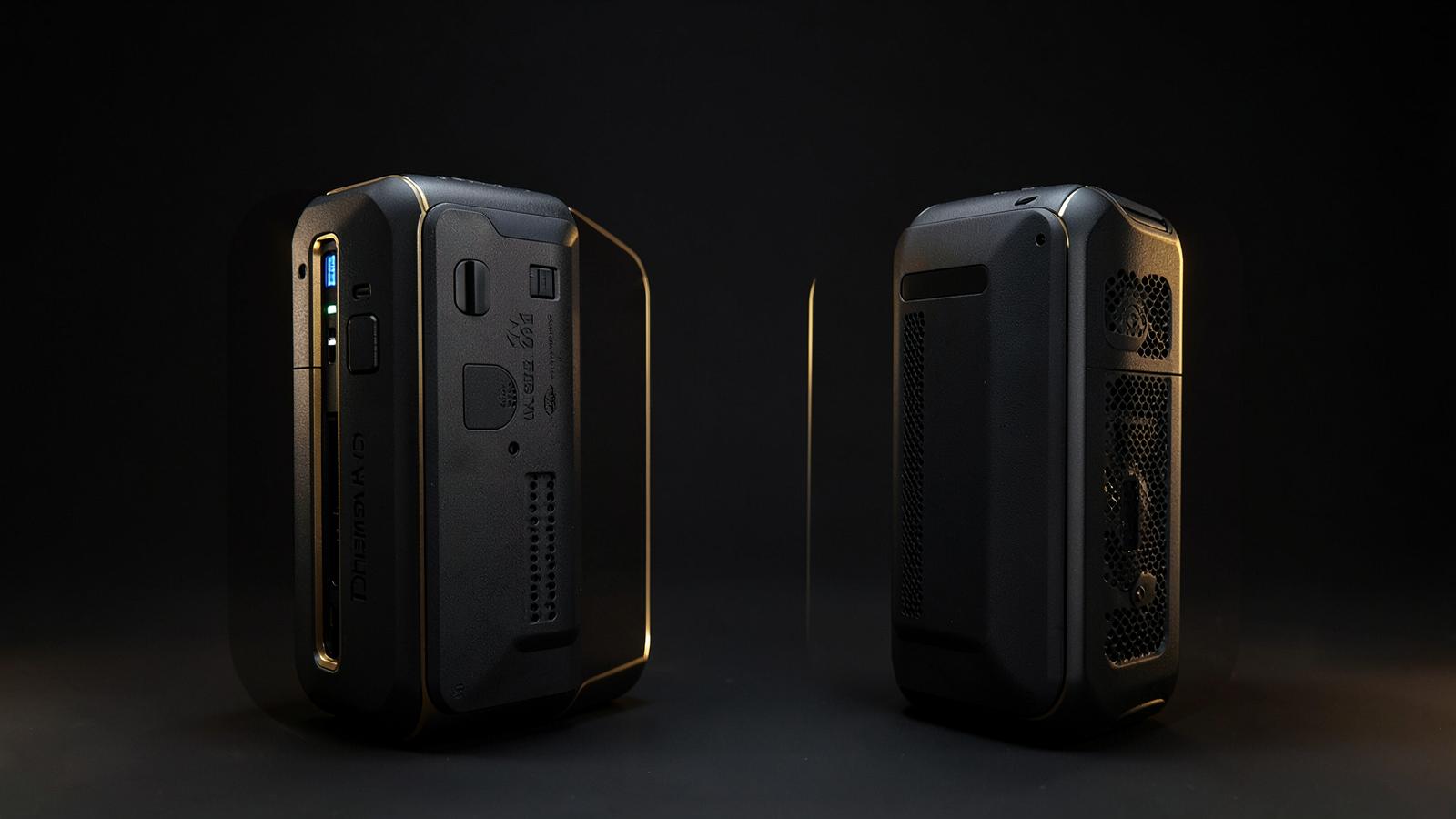
These are the two names most buyers end up choosing between, and the difference is not marketing. Jackery consistently builds the lighter unit; EcoFlow consistently builds the faster-charging, more expandable one.
To keep the comparison concrete we use each brand's mainstream 1kWh unit. All figures are manufacturer specifications; no prices or marketplace data appear here.
The two products compared
Product details come from our central product records. Prices change constantly, so check the retailer for the current price.
Affiliate disclosure — As an Amazon Associate we earn from qualifying purchases. TopPremiumPicks may also earn commissions from other retailers. This costs you nothing extra and does not influence our recommendations.
Product A
Jackery
Jackery Explorer 1000 v2 Portable Power Station
Upper Mid-Range ($$$)
Best for: buyers who carry the unit and want the lightest 1kWh option
Jackery's second-generation 1kWh unit: 1070Wh of LiFePO4 behind a 1500W inverter with a 3000W surge rating, in a lighter body than most rivals of the same capacity and with an emergency super-charge mode.
Product B
EcoFlow
EcoFlow DELTA 3 Portable Power Station
Upper Mid-Range ($$$)
Best for: buyers who want the fastest recharge and an expansion path
The current-generation replacement for the DELTA 2. Same 1024Wh LiFePO4 capacity and 1800W inverter, but with substantially faster AC recharging, a quicker UPS-style switchover and a quieter charging profile.
Comparison at a glance
| Category | Jackery Explorer 1000 v2 | EcoFlow DELTA 3 | Edge |
|---|---|---|---|
| Capacity | 1070Wh | 1024Wh | Jackery (slightly) |
| AC output | 1500W continuous, 3000W surge | 1800W continuous | EcoFlow |
| Weight | About 23.8 lb | About 27.6 lb | Jackery |
| Expansion | Not expandable | Expandable with add-on batteries | EcoFlow |
| Chemistry | LiFePO4 | LiFePO4 | Tie |
| Check price | Check Price on Amazon | Check Price on Amazon |
Two different design priorities
Jackery builds for the person who moves the unit: lighter chassis, simple controls, a high surge rating so appliances start without fuss.
EcoFlow builds for the person who plugs the unit in: very fast recharging, fast switchover, expansion batteries and deeper app control.
Inverter output and surge
EcoFlow's 1800W continuous rating beats Jackery's 1500W, which matters if you plan to run larger appliances for a sustained period.
Jackery answers with a 3000W surge rating, which is about starting motors and compressors rather than running them. Both approaches work; they solve different problems.
Expansion decides long-term value
If there is any chance you will want more capacity later, EcoFlow's expandable platform is the safer purchase. Jackery's fixed pack means a second unit rather than a bigger one.
If the unit exists to go camping, expansion is irrelevant and the weight saving is worth more than the growth path.
Ecosystem and support
Both brands have large support networks, published documentation and wide accessory ranges, including their own solar panels.
Neither choice is a support risk, which is exactly why the decision comes back to weight against expansion.
Keep reading
Frequently asked questions
Final verdict
Carry it and you should buy Jackery. Plug it in and you should buy EcoFlow. The brands have been converging on specs for years, but that split still decides the purchase.
Best for buyers who carry the unit and want the lightest 1kWh option
Jackery Explorer 1000 v2 Portable Power Station
The lightest of the mainstream 1kWh units, with a high surge ceiling.
Best for buyers who want the fastest recharge and an expansion path
EcoFlow DELTA 3 Portable Power Station
Everything the DELTA 2 does, recharged in a fraction of the time.
About Our Research
TopPremiumPicks researches and compares products using manufacturer information, published specifications, reputable sources, retailer information and documented customer feedback.
How We Review Products